Raven Prism is a Linux Computer That Happens To Be A Pair of Glasses
Smart glasses have become a real consumer product over the past year, being at the center of some pretty funny brainrot and outdoorsy content.
Meta’s partnerships with Ray-Ban and Oakley have put AI-powered glasses on faces across global markets, pitching voice-activated AI assistants, integrated cameras, and phone notifications as the selling points.
The privacy record of those products, however, is extremely disturbing. Meta’s AI features push footage from the glasses to their servers for processing, and an investigation earlier this year confirmed that human contractors had reviewed people’s most intimate moments.
Then there’s the more recent fiasco, where Meta was caught sneaking face recognition code for its smart glasses onto millions of phones. This quietly laid the groundwork for a system that could match any face the glasses saw against stored biometric signatures.
All of that doesn’t instill much confidence, but these devices can be useful if the company behind them actually cares about its users rather than harvesting their soul… err, data.
There’s a new one being launched by a San Francisco-based startup that has some impressive specs, is powered by Linux, and isn’t looking to sell user data.
Raven Prism: Is This For You?
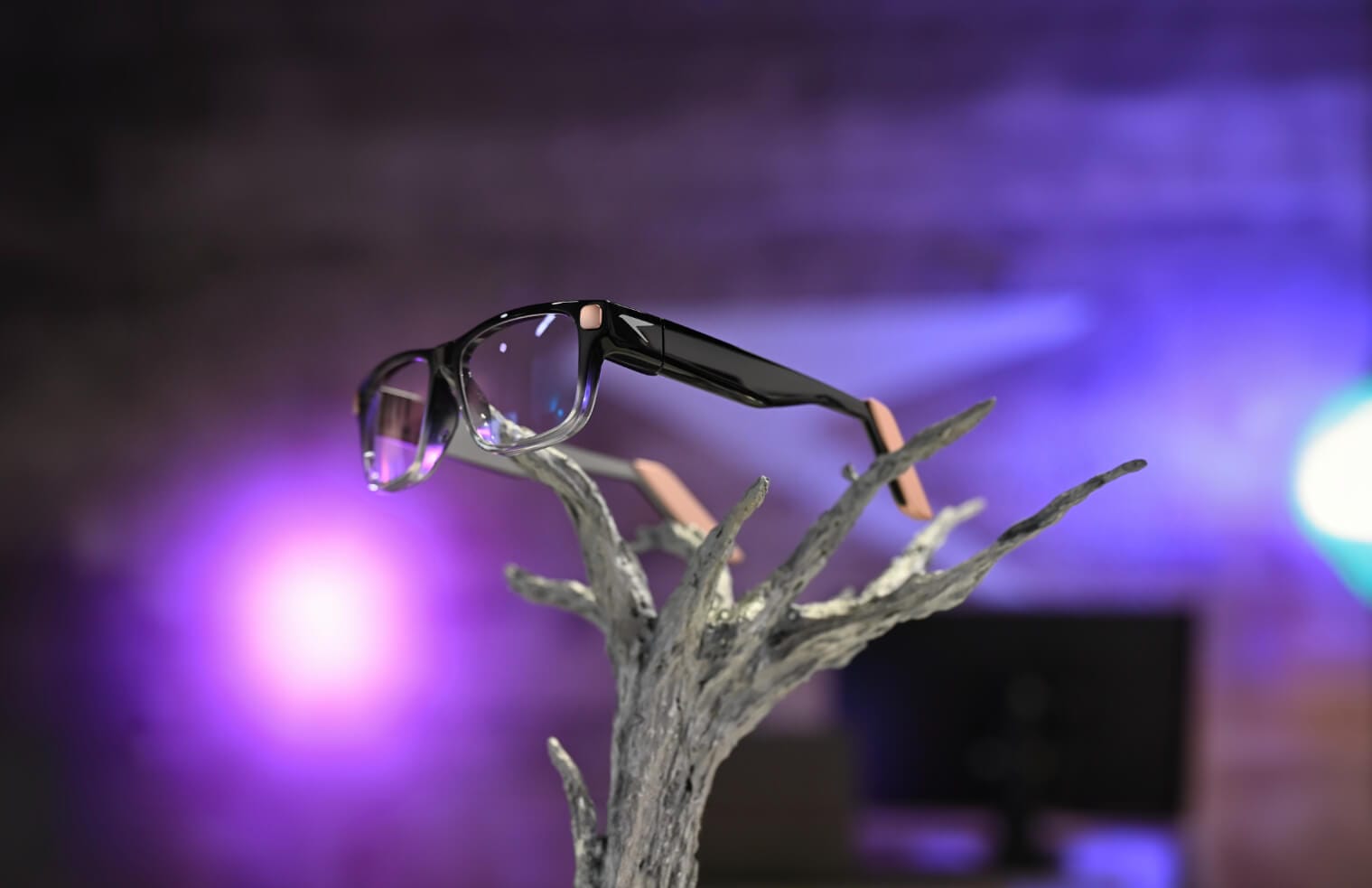
Founded by Thomas Suarez, Raven Resonance is a wearable computing startup with a diverse team of engineers who have experience building wearables, spatial computing, and other electronic gadgets.
The Raven Prism is what they call the world’s first ambient computer rather than a smart glass. I know, I implied that this was a smart glass at the start, because to me it looks like one.
It is a standalone Linux computer that can be your everyday prescription (−4.5 to +4.5 diopters) or non-prescription eyewear that does not depend upon a smartphone to function.
The ambient computing concept, as the company describes it, is technology that is present when you need it and stays out of the way when you don’t.
In this implementation, a full-color display on the right lens puts information in the wearer’s field of view without cutting them off from the world around them. Eye control is the primary input, supplemented by voice and wireless HID peripherals.
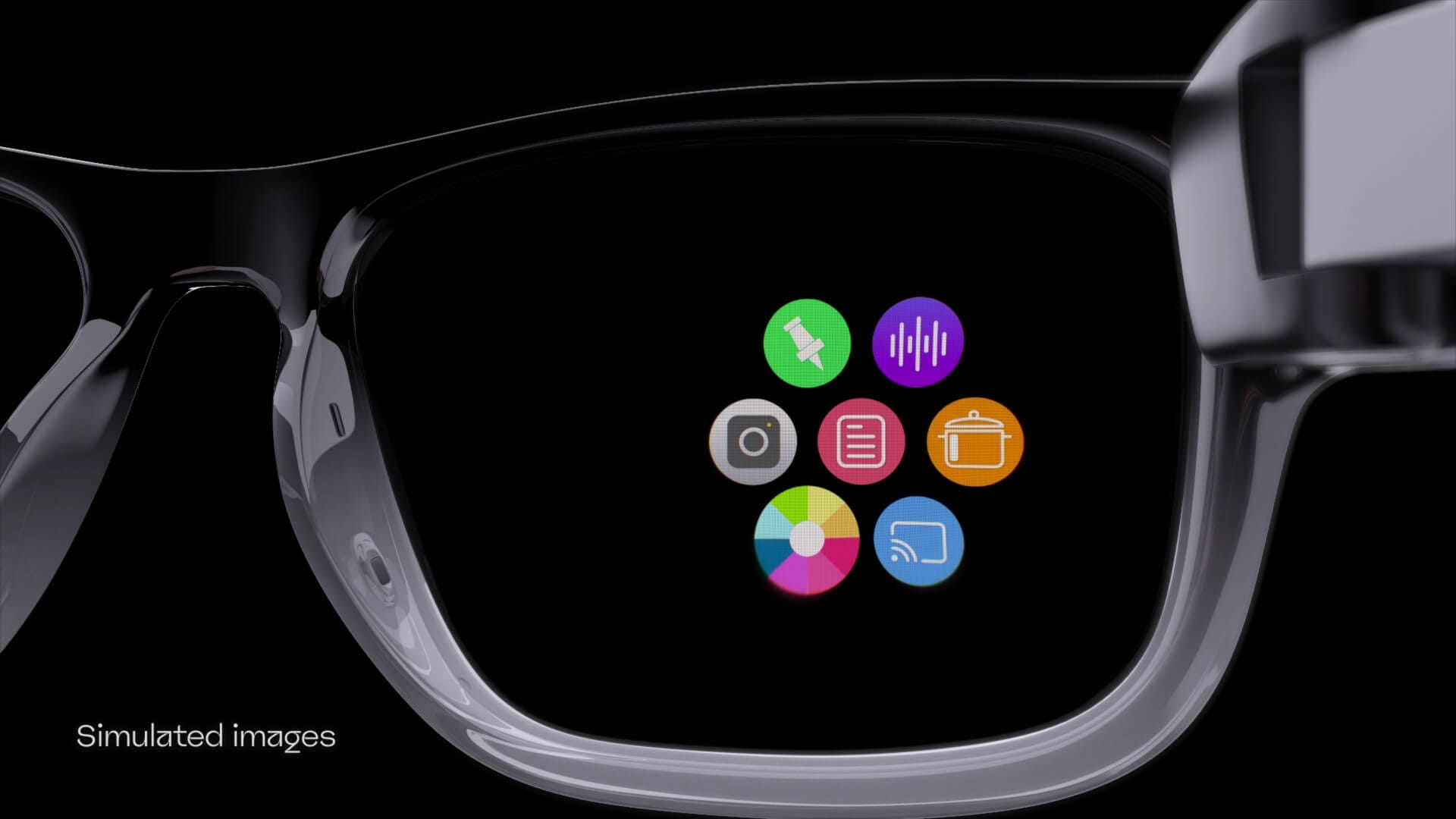
Some use cases the company points to include hands-free coding agents, reading board schematics mid-build, following a recipe in the kitchen, and keeping sheet music in view while playing an instrument.
Powering it is RavenOS, the company’s own Linux-based OS built around gaze-first, hands-free interaction. So yeah, it does not run Android or AOSP, and Raven is already building apps with future spatial environments in mind.
The device supports SSH out of the box, can be rooted, and system images are planned for release soon. Moreover, as a native ARM64 Linux platform, it can run anything built for that environment, including Unity, web apps, local AI models, and agents.
At launch, the Raven Prism is set to ship with more than 25 apps, and if you want to build for it, the SDK is live on GitHub, with a development kit also in the works.
The Hardware Bits

The Raven Resonance team is being tight-lipped about the full specifications of the device but have shared some basic information that gives us an idea of what will be offered.
Under the hood is a quad-core 64-bit ARM processor running at roughly 1 GHz, with the device available in 2 GB and 4 GB RAM configurations. It weighs under 70 grams, with the weight distribution tailored for all-day wear.
The display is a full-color LCoS waveguide positioned on the right eye with a 30-degree diagonal field of view. Raven describes the viewing experience as comparable to a 16-inch laptop at arm’s length.
There’s also a camera on the left, multiple microphones, and Raven Wings (shown above) as the hot-swappable modular batteries that keep the Prism running throughout the day, with these doubling up as an expansion platform.
The Privacy-Focused Bits
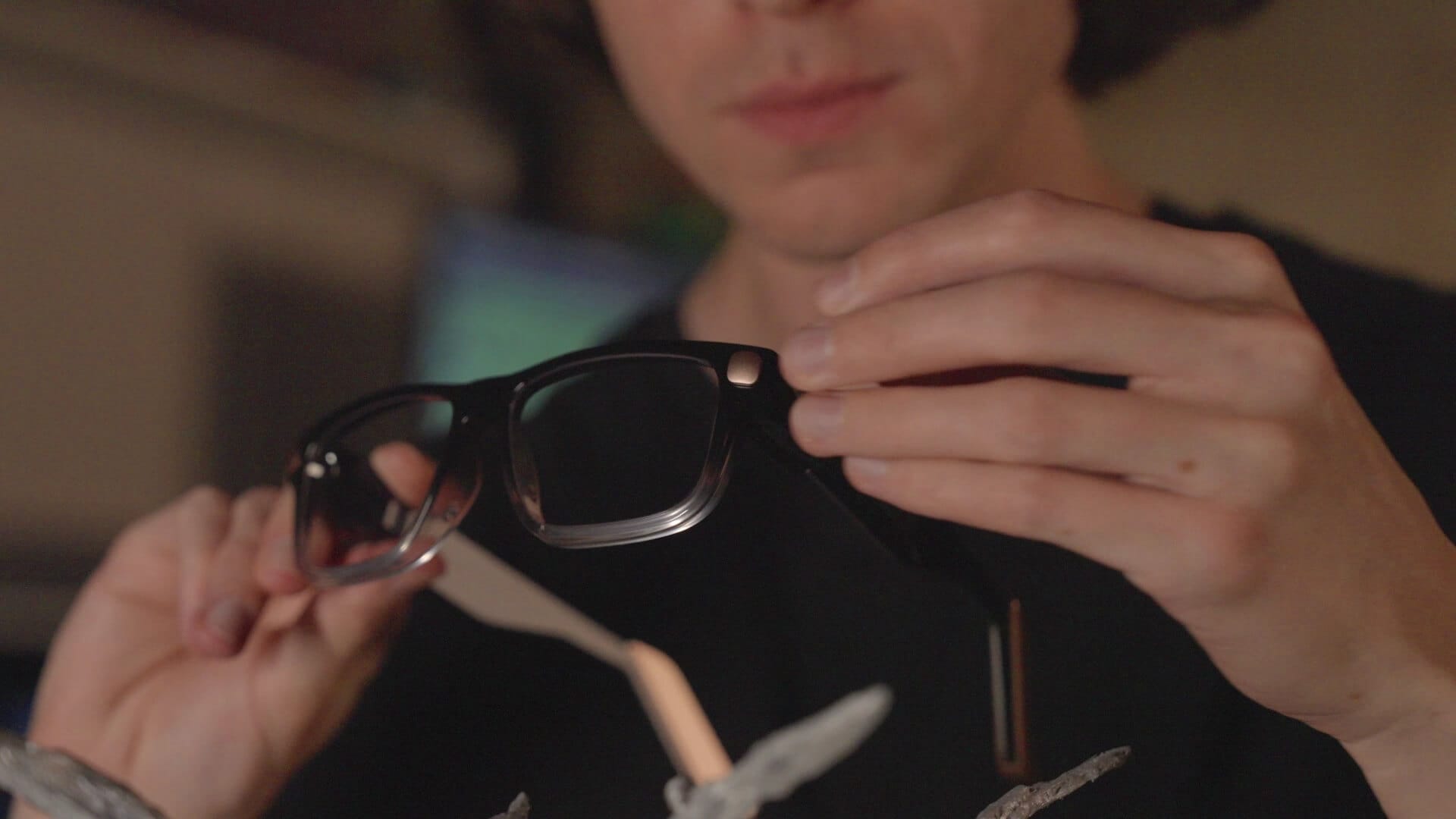
Before you get worried, Raven Prism will ship with a physical cover for the camera that you remove when you want to use it and put back when you don’t. There’s also “Beakon” lights that illuminate when the camera is active, making it visible to both the wearer and anyone nearby.
Similarly, eye tracking uses a combination of in-house models and technology from Pupil Labs, but all processing happens on the device.
This way, no user data leaves the device without explicit consent from the wearer, and Prism itself doesn’t collect any telemetry by default, with an opt-in path for people who want to contribute anonymized data.
Want One?
The Raven Resonance team has shared a tentative base price of $1,499. Full pricing and availability details will be confirmed at launch, and the device won’t require a wallet-draining subscription to function.
The device is designed and built at the company’s California facility and assembled in the United States, with them being fully committed to the right to repair.
If you can’t wait to check it out, there’s currently a public preview happening at Augmented World Expo 2026 from June 16 to 18, at Booth 1028 in Long Beach, California.
The commercial launch is planned for later in 2026, and their Discord server is where the team will be sharing access details and launch news.

Source: It's FOSS